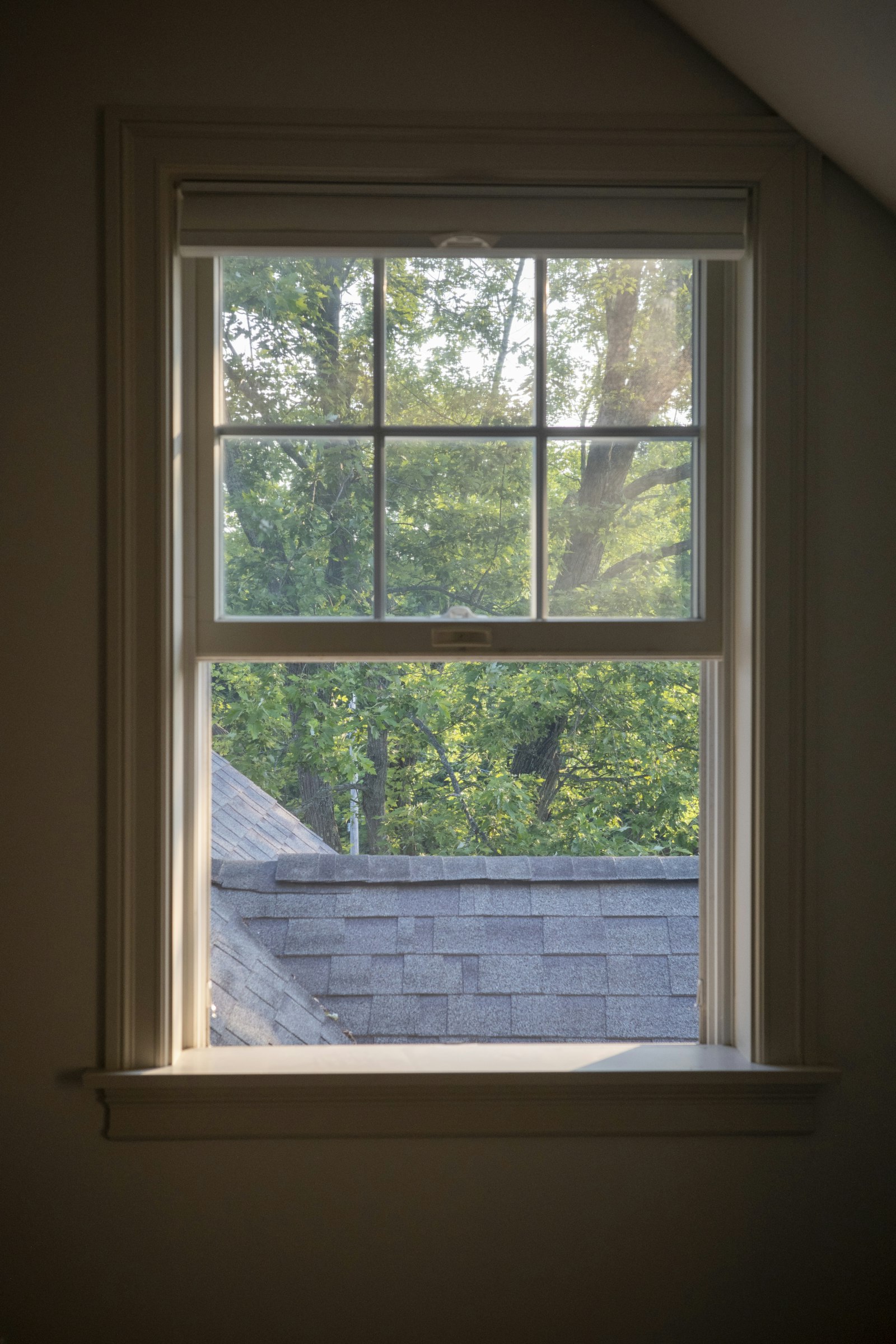
Windows in Daly City live a different life than windows almost anywhere else. The fog rolls in off the Pacific and sits, the wind comes across Skyline and down toward Mission Street most afternoons, and the air carries salt the whole time. A window package that is sold as high performance in Sacramento or Phoenix is solving a problem this city does not have, and leaving the problems it does have unaddressed.
So the choice here is less about the brochure and more about the coast. This guide walks through the four things the marine environment actually does to a window, persistent damp, constant wind, wind-driven rain, and salt, plus the one sunny exception, and what each of them means when you are choosing replacements.
Persistent Damp Makes Condensation and Seal Life the First Concern
In a climate that stays cool and damp, the first thing to get right is a window that keeps its inner glass warm and its seal intact. When humid indoor air meets a cold pane, it condenses, and the fog and dripping that follow are worst on single-pane glass and on units with old metal spacers at the edge. The Department of Energy notes that a warm-edge spacer and an insulating gas fill between the panes keep the inner surface closer to room temperature, which is exactly what resists that interior condensation.
The sealed glass unit itself is also on the clock. When its edge seal fails, the gas escapes and moisture gets in, and the glass fogs permanently from the inside. That is often a glass-only repair rather than a whole-window job if the frame is sound, but in a damp climate it is worth checking the condensation resistance number on any unit you buy, not just the headline U-factor.
Constant Wind Means Air-Tightness Matters More Than Inland
Daly City's steady wind turns every small gap into a measurable draft, so air-tightness carries more weight here than in a sheltered inland town. The U.S. Department of Energy attributes 25 to 30 percent of a home's heating and cooling energy to heat moving through windows, and in a windy marine climate much of that is air being pushed straight through tired weatherstripping and worn sashes rather than conducted through the glass.
How a window closes matters as much as how it is built. A casement pulls its sash tight against a full-perimeter gasket as it latches, so it tends to seal well against wind pressure, while a slider or a hung window seals along joints that move. Whatever the style, check the Air Leakage figure on the label, which the National Fenestration Rating Council publishes alongside the U-factor and SHGC on every certified window, and compare it on the actual units you are quoting.
Wind-Driven Rain Tests the Installation, Not Just the Window
When rain arrives on a Pacific wind it comes in sideways, and a horizontal rain load finds any weakness in how the window was fitted rather than how it was made. A unit that would stay dry in a gentle vertical shower can leak at the perimeter when wind drives water up and under the trim on an exposed elevation.
That is why the flashing and the perimeter seal matter as much as the window on the most exposed walls. On the hardest-hit elevations, a laminated glass option through impact and storm window work adds a tougher, better-sealed assembly, but the baseline everywhere is an opening that is flashed and sealed to shed water the way the wind actually delivers it.
Salt Air Is Hard on Hardware and Finishes
Salt in the air corrodes metal and weathers finishes faster than inland homeowners ever have to think about, and it is why frame and hardware choice is not cosmetic here. Bare or thermally broken aluminum frames both conduct heat and corrode, and the Department of Energy points out that aluminum conducts heat far more readily than vinyl or fiberglass, which is a double strike against it on the coast.
Vinyl and fiberglass frames hold up well against salt and damp and need little upkeep, while clad wood can work when the exterior cladding is sound. Whatever the frame, corrosion-resistant hardware and the occasional freshwater rinse of tracks and locks go a long way toward keeping sashes operating smoothly a few blocks from the ocean.
Window Style Changes How It Copes With Wind and Salt
Operating style is worth a thought on the coast too. A casement seals tightest against wind, because latching it compresses the whole sash into a full-perimeter gasket, but its hinges and crank are exposed metal that salt air works on, and an open casement acts like a sail in a strong gust. Sliders and single-hung windows have fewer corrodible moving parts and never catch the wind when they are open, but they seal along joints that slide past one another, so their weatherstripping does more of the work and tends to wear faster. Neither is simply better here; the right pick depends on how exposed the opening is and how often you actually open it.
The Sun Still Matters on West and South Elevations
Daly City is cool and foggy, but it is not uniformly shaded, and the homes up on the Skyline ridge or along the western slopes above Palisades catch real afternoon sun above the fog line. On those west- and south-facing walls a low-E coating tuned to control solar heat gain still earns its place, keeping a sunroom or a top-floor living room from overheating on the clear afternoons that do come.
For most of the house, though, the priority order is the opposite of a hot inland climate: a low U-factor and an air-tight seal come first, with solar control a secondary concern reserved for the genuinely sunny elevations. Specifying the glass opening by opening, rather than buying one package for the whole house, is what matches the window to the wall it actually sits on.
Pulling that together, a few priorities matter more here than the brand on the sticker:
A low U-factor with a warm-edge spacer, to keep the inner glass warm and resist condensation in the damp
An air-tight design and a good Air Leakage rating, because the wind finds every gap
A properly flashed and sealed opening, which is what keeps wind-driven rain out
Corrosion-resistant frames and hardware that shrug off salt air
A solar-control low-E coating reserved for the west and south walls that actually catch sun
On the coast, the installation is half the window. The most air-tight, best-sealed unit on the market will still whistle and leak if it is set in an opening that was not flashed and sealed for wind-driven rain, and a corrosion-prone frame will seize within a few salty winters no matter how good its energy numbers looked on paper. Weigh how an installer prepares and seals the opening, and what the frame and hardware are made of, at least as heavily as the glass package they quote.
What Actually Matters When You Choose
The useful way to decide in Daly City is to let the coast set the priorities rather than a national spec sheet. For most of the house, choose for a warm inner pane and a tight seal, in a frame that will not corrode, and treat the installation detail as part of the product rather than an afterthought. Save the solar-control glass for the handful of elevations that genuinely catch afternoon sun, and spec each opening for what it faces instead of buying one package for every wall.
If you would rather have someone walk the house, read the exposures, and match the glass and the seal to each elevation, that is what our energy-efficient window installation and impact and storm window work is built around here on the coast. Daly City Window Replacement can lay out the options for your openings before anything is ordered.
Sources
Not sure which glass and frame suit your exposure to the wind and fog?
(650) 278-4593 — ask an estimator