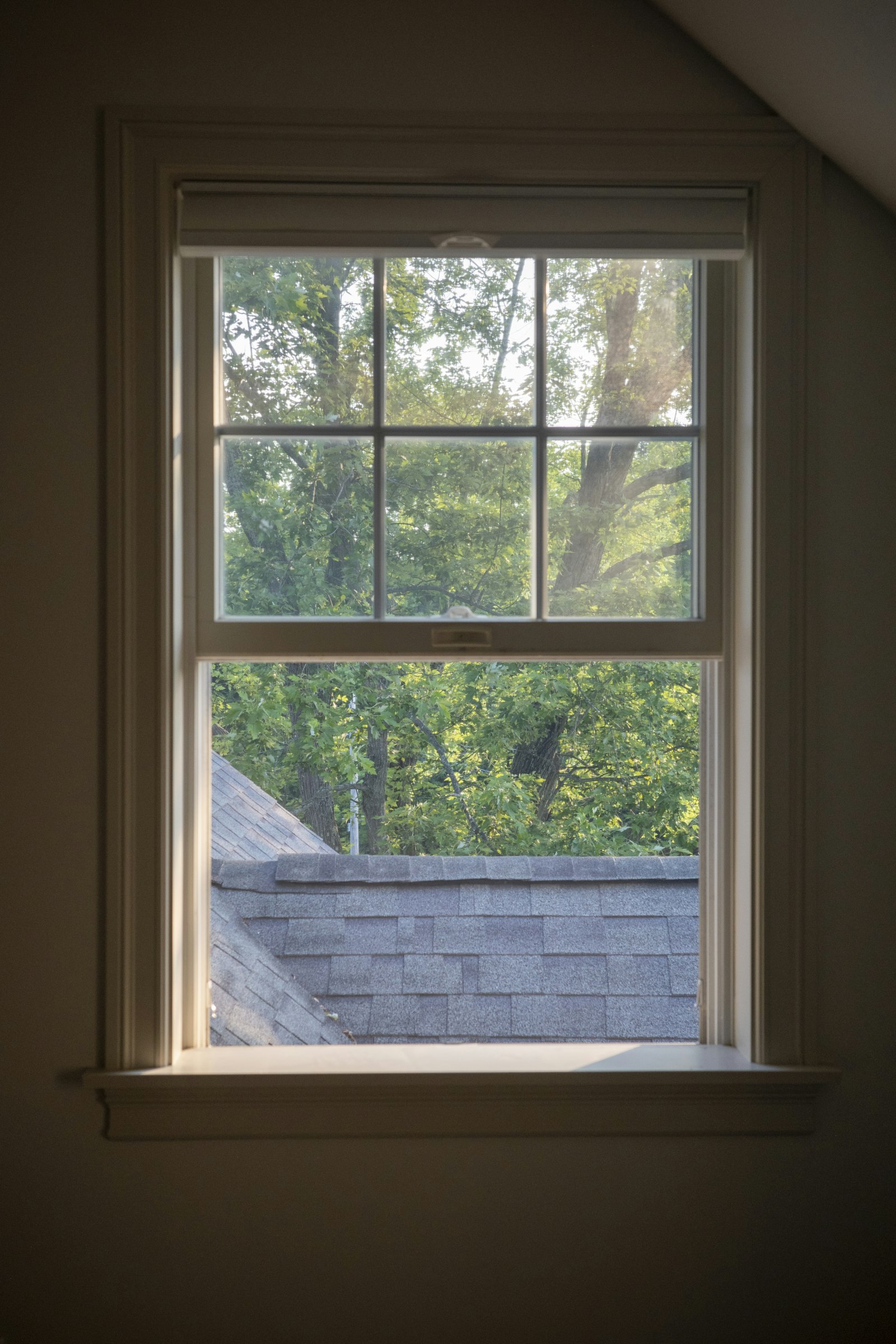
Daly City is one of the windiest corners of the Bay Area, where the gap in the coastal hills funnels ocean wind straight through the neighborhoods and the fog rides in on top of it. Wind like that finds every weak seal in a house, and on a window the seal is decided largely by how the window opens and closes. Before you pick a frame color or a glass package, it is worth deciding which operating style is going to hold the weather out of a given wall.
This guide runs through the four window styles you will actually be offered, how each one seals, and which belongs on the exposed, wind-raked elevations versus the sheltered sides of a Daly City home. The goal is to match the style to the opening rather than putting the same window on every wall of the house.
Why the Operating Style Matters More Here
How a window closes is what decides how well it keeps wind out. A casement or awning window swings shut and the sash presses tight against the frame, a compression seal, the same way a refrigerator door seals. A double-hung, single-hung, or sliding window instead glides along a track and is sealed by weatherstripping that the moving sash rubs past, which leaves more potential paths for air. Neither is wrong, but in a place this windy the difference is something you feel as a draft on a gray afternoon.
You do not have to judge this by feel, because the window label puts a number on it. The National Fenestration Rating Council reports air leakage on the NFRC label, capped at 0.3 for a certified window, where a lower number means a tighter unit. The Department of Energy also lists the type of operation as one of the core things to weigh when selecting a window, alongside the frame, the glazing and the spacers. On a Daly City lot, when two windows post similar heat-loss numbers, the tighter air-leakage figure usually wins.
Casement and Awning: The Tightest Seal
Casement and awning windows give you the best seal against wind, because the sash closes by pressing into the frame rather than sliding past it. A casement cranks outward on a side hinge; an awning hinges at the top and opens outward at the bottom, which lets it stay open in light rain. For the elevations that take the brunt of Daly City's wind and wind-driven fog, this compression seal is the reason these styles are usually the first choice.
The trade-offs are worth knowing. Both rely on a crank mechanism rather than a simple lift, so there is a little more hardware to maintain, and the sash projects outward when open, which is a consideration over a walkway or a tight side yard. Screens sit on the inside. None of that outweighs the seal on a weather-beaten wall, but it is why you would not necessarily put a casement on every opening in the house.
Double-Hung and Single-Hung: Familiar but Looser
Hung windows are the classic look, with one or two sashes that slide up and down in the frame. A single-hung has only the bottom sash moving while the top stays fixed; a double-hung moves both, which makes cleaning easier but adds another sliding seal that can admit air. Because the seal is weatherstripping the sash passes over, a hung window generally will not match a casement's air-tightness, and that weatherstripping is the part that wears with the years.
That does not rule them out. On the sheltered side of a house, or where you want a traditional look to match the street, a quality double-hung with good weatherstripping and a low air-leakage rating performs perfectly well. The point is simply to read the label rather than assume the familiar style seals as tightly as the ones built to compress.
Sliding Windows: Easy to Use, More to Seal
A slider works like a hung window turned on its side, with one or both sashes gliding horizontally on a track. They are easy to operate, have no crank, and suit wide openings well, which is why horizontal sliders and sliding patio doors are common across the San Mateo coast. The same sliding-seal limitation applies, and a large slider or patio door has a long run of seal to keep tight, so the air-leakage number and the quality of the install matter even more on the big ones. A well-made sliding glass or patio door with a low leakage rating is a sound choice where you want the view and the easy operation.
Picture and Fixed Windows: Nothing to Leak
A picture or fixed window does not open at all, and that is its advantage: with no moving sash there is no operating seal to loosen or wear, so a fixed unit is inherently the tightest and most efficient window on the wall. For the big view windows that frame the fog rolling in, or any opening where you do not need ventilation, fixed glass gives you the lowest air leakage and the most glass for the money. The catch is obvious, which is why fixed windows are usually paired with an operable unit nearby for fresh air and for the egress a bedroom requires.
The practical rule is to match the style to the exposure, not to standardize the whole house. Put casement, awning, or fixed windows on the west- and ocean-facing walls that take the worst of the wind, and save hung and sliding windows for the sheltered elevations or the rooms where the familiar look and easy operation matter more than squeezing out the last bit of air-tightness. Whatever the style, compare the air-leakage number on the label before you decide.
Matching Styles to a Daly City House
Walk your own house by exposure before you choose. The elevations that face the ocean and the afternoon wind are where the compression-sealing styles earn their place, and where a fixed window makes sense for a big view that does not need to open. The courtyard side, or a street-facing room where the look matters, can take a hung or sliding window without you ever noticing the small difference in a sheltered spot. Keep egress in mind too, since bedrooms need an operable window of a minimum size to meet code, which quietly rules out a fixed pane in those rooms. Whatever styles you land on, confirming each carries the ENERGY STAR label for this region sets a reliable efficiency floor under the decision.
Frequently Asked Questions
Which window style is best for wind?
Casement and awning windows seal tightest against wind, because the sash compresses into the frame rather than sliding past weatherstripping. A fixed or picture window is tighter still, since it never opens. On any style, the air-leakage rating on the NFRC label is the objective way to compare, and a lower number is better on a windy lot.
Are sliding windows a bad choice in Daly City?
No, just a choice to make with eyes open. Sliders seal with weatherstripping along a track rather than by compression, so they ask more of the install and the weatherstripping over time. A well-built slider with a low air-leakage number performs well, especially on a sheltered wall or where you want a wide opening and easy operation.
Do casement windows cost more than double-hung?
Often a little, because of the crank hardware and the way they are built, though the gap varies by brand and size. On an exposed, wind-raked elevation the tighter seal and lower air leakage can justify the difference, while on a sheltered wall a quality hung window may be the better value. The honest move is to price both for the openings that matter.
Can I mix window styles on one house?
Yes, and on a house with such varied exposures you usually should. Matching each opening to its wind, view and ventilation needs, rather than standardizing one style everywhere, is how you get the best of each. A good installer will spec the operating style opening by opening, which is the work Daly City Window Replacement does on every energy-efficient installation.
Sources
Not sure which window style belongs on which wall of your house?
(650) 278-4593 — ask an estimator